Plasmapheresis Side Effects: Is It Actually Dangerous?
In plain English, and in order of how often they actually happen

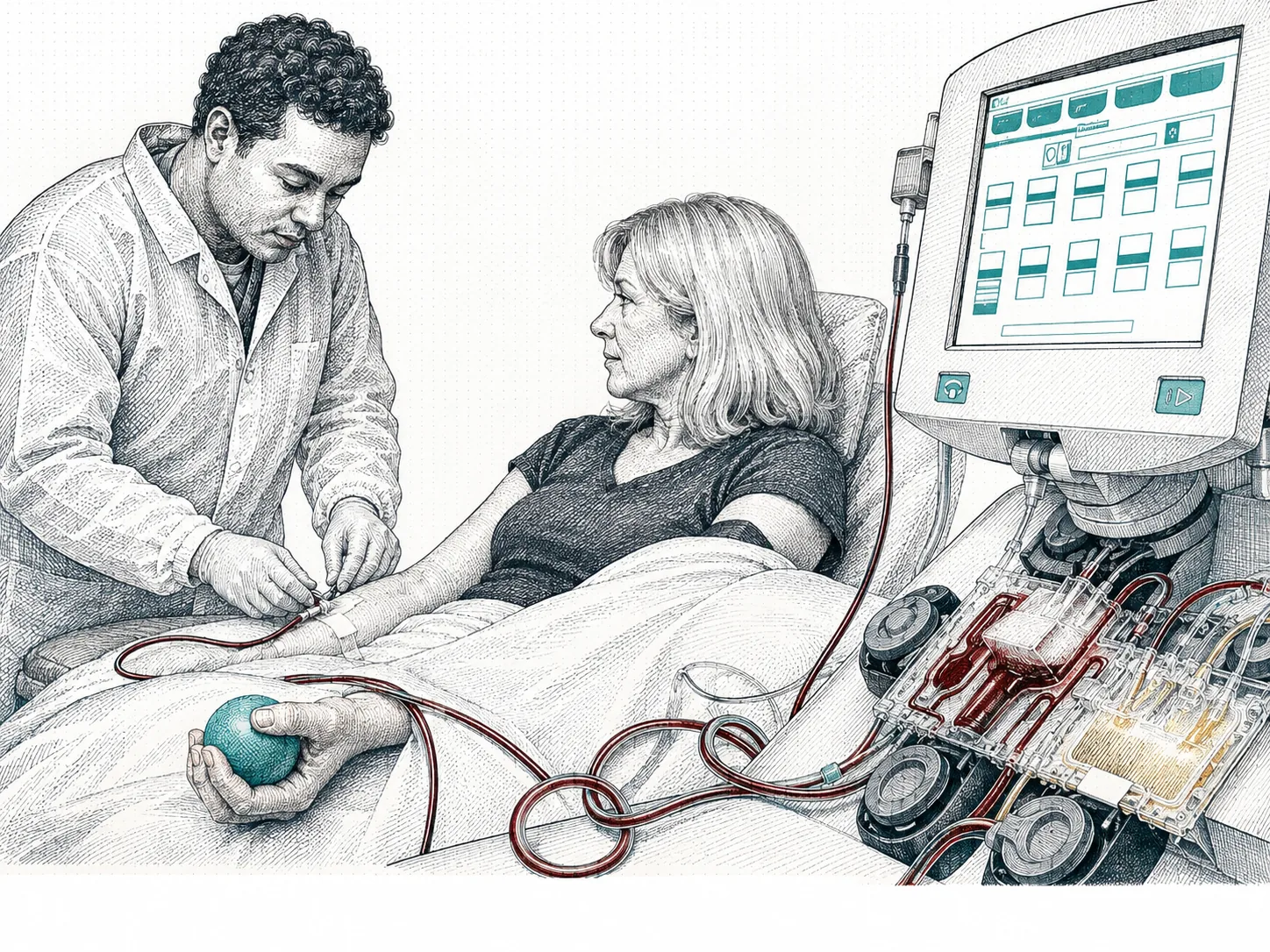
A guy in one of the TPE groups I follow online asked a pretty blunt question a while back: is this actually safe, or does it just get described that way by people who want you to sign up for it? I’ve thought about that question a lot since, because it’s the right one to ask. TPE has been used in hospitals for decades. It’s not some experimental gadget somebody built in a garage last year. But “well-established” and “risk-free” are two completely different things, and I think people researching this deserve the difference spelled out plainly instead of buried in a consent form nobody reads closely.
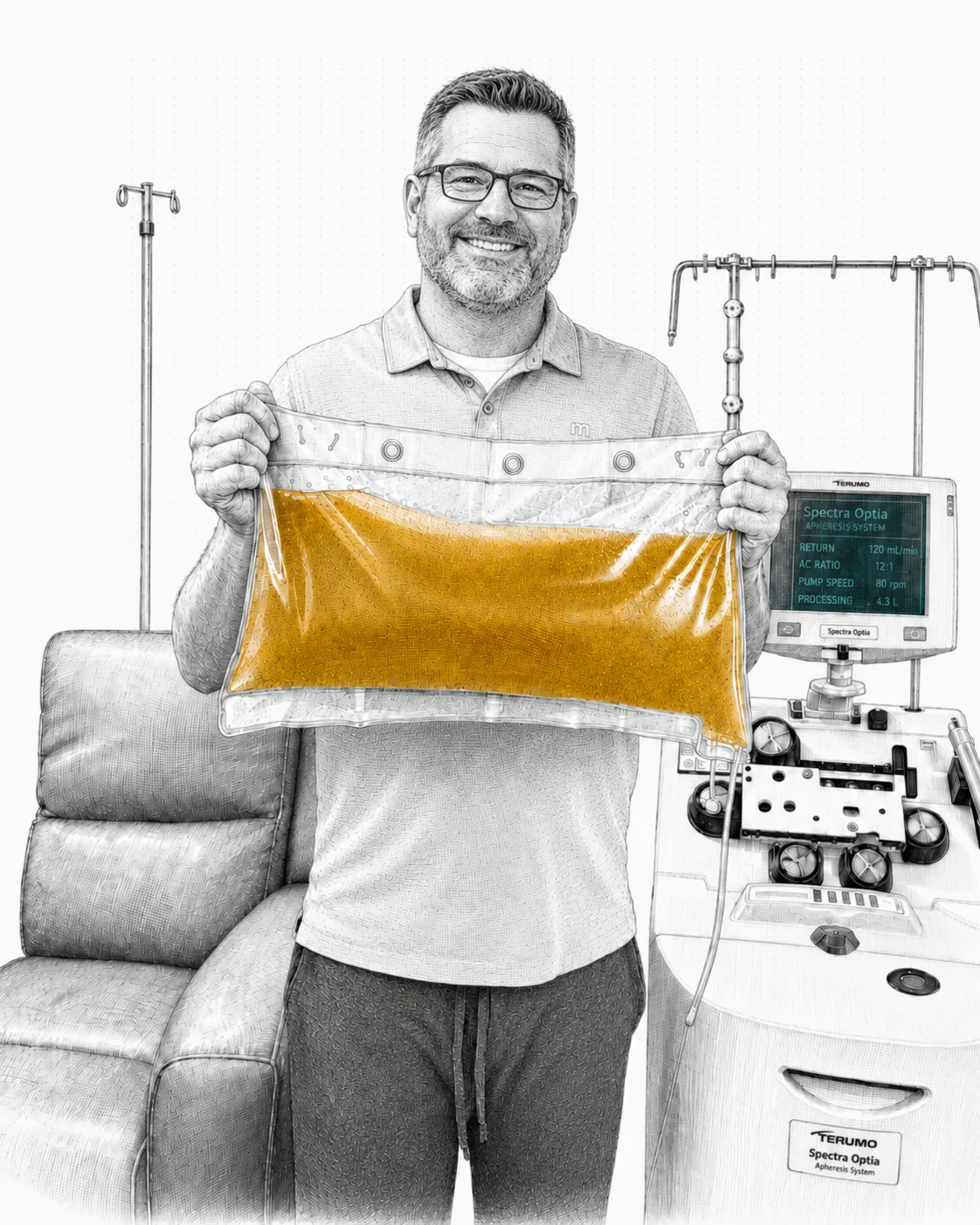
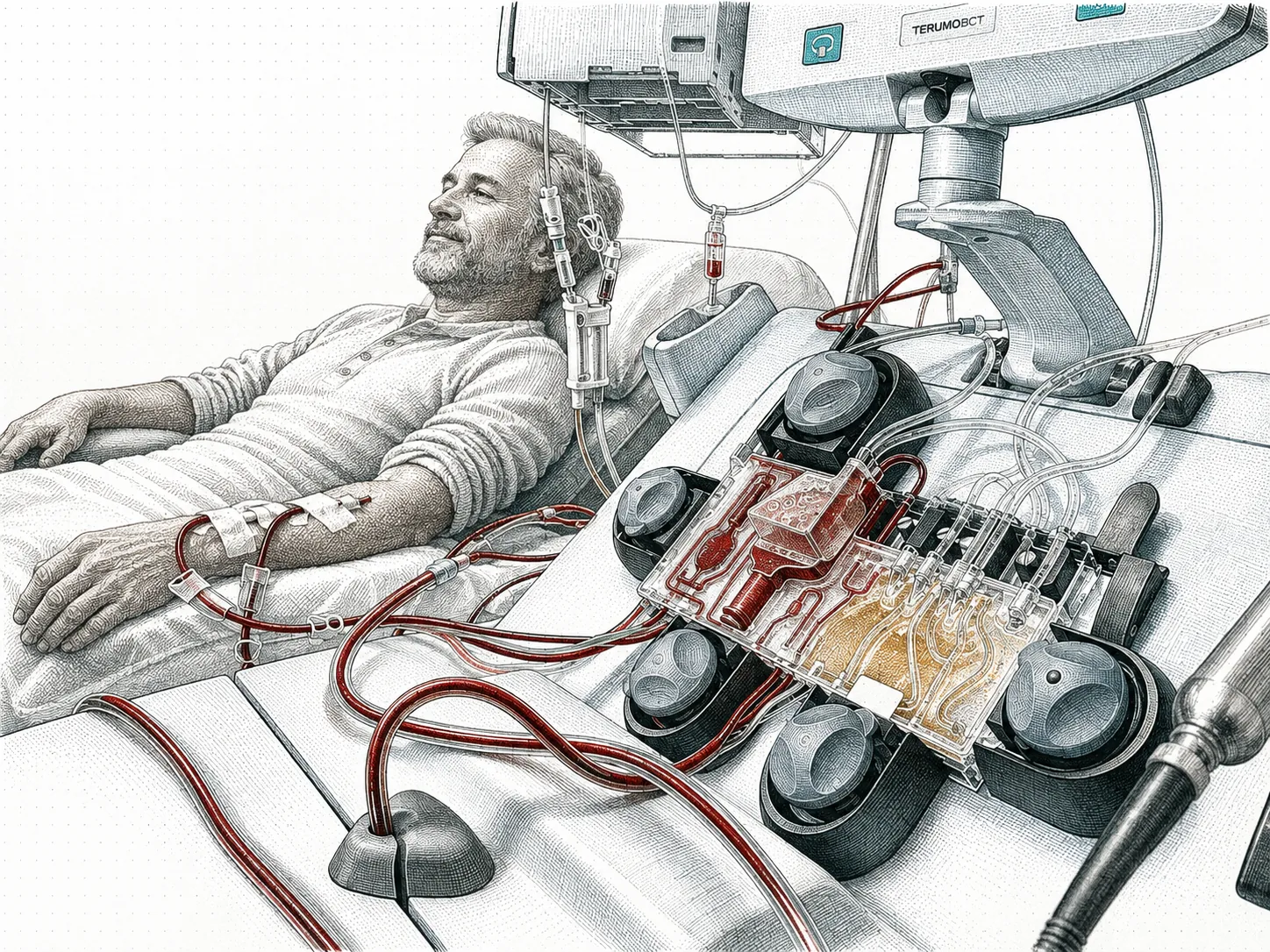
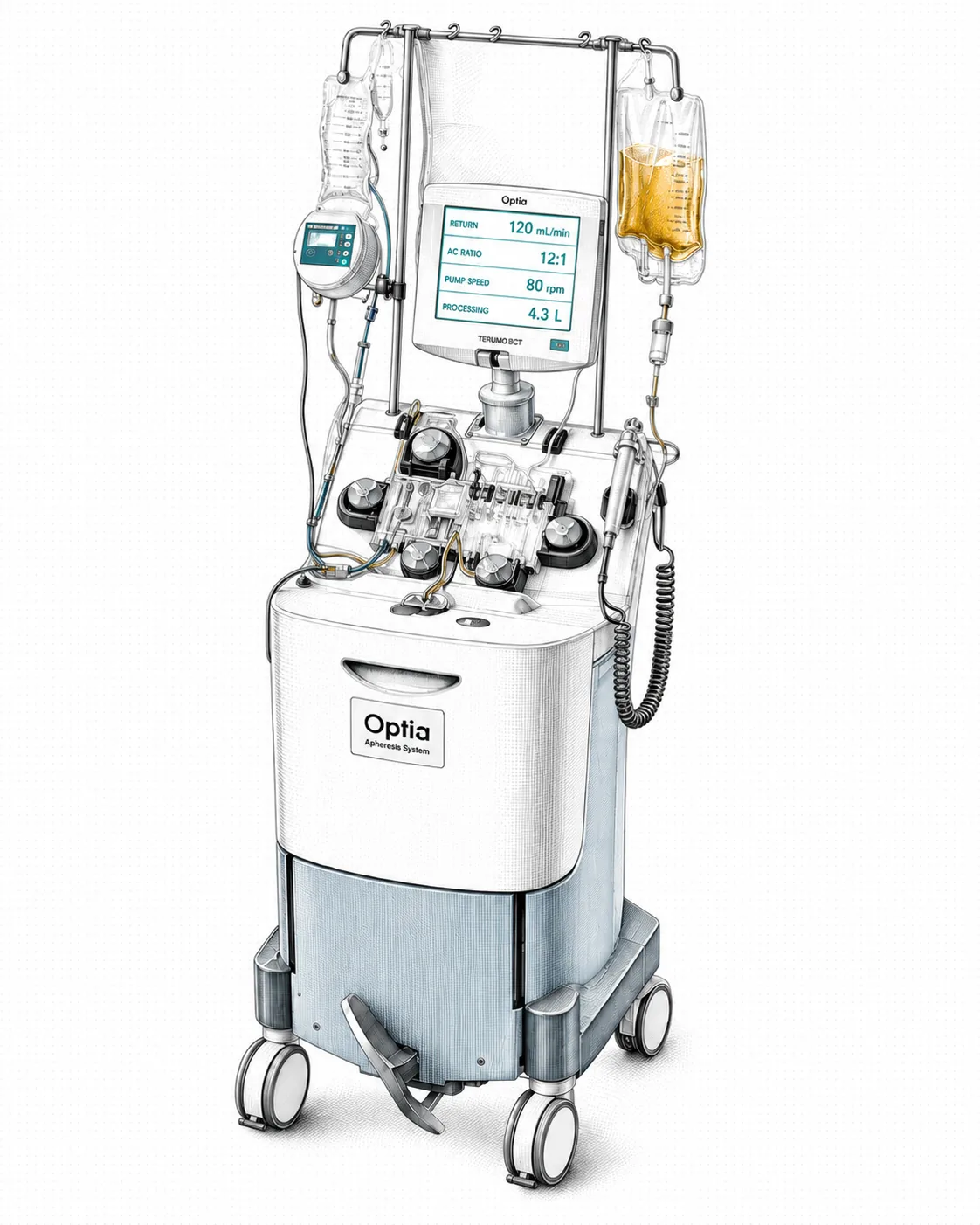
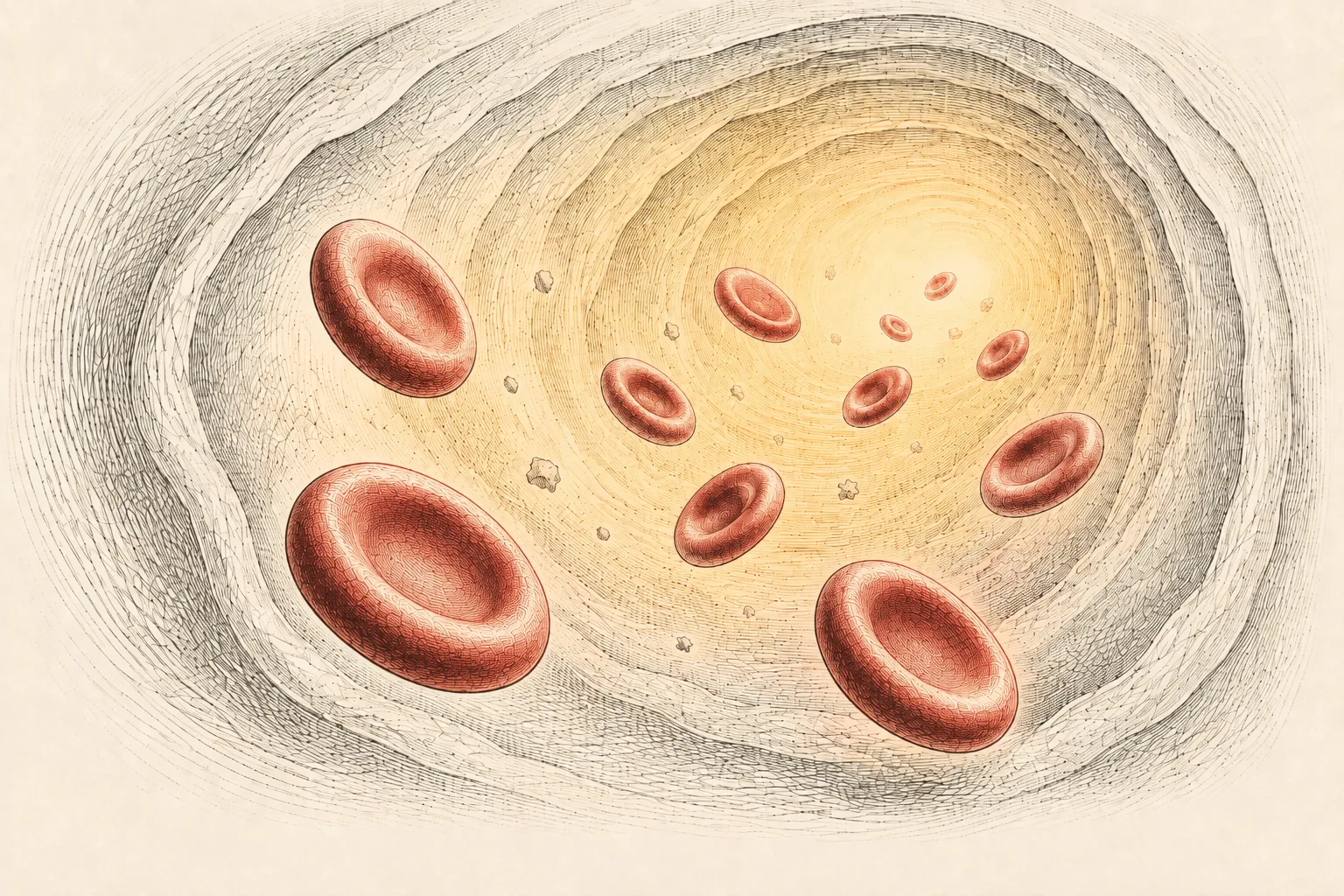
Plasmapheresis involves pulling a large volume of plasma out of your bloodstream and replacing it with something else, usually albumin or fresh frozen plasma. You’ll also see it called therapeutic plasma exchange, or TPE for short, which is the term you’re more likely to hear from a clinician or find printed on a consent form. Same procedure, different name. That’s not a small physiological event. Most people come through it fine. But “most people” isn’t the same as “everyone,” and if you’re trying to decide whether to do this, you should know what actually happens to the people who don’t sail through without a hitch.
Risk isn’t one number
Here’s something that gets lost in a lot of the scarier stories floating around online: plasmapheresis risk depends enormously on who’s getting it and why. A person in an ICU receiving TPE for a severe autoimmune flare or a blood disorder is in a completely different risk category than someone who is otherwise healthy and doing it as a stable outpatient in a monitored clinic. A lot of the frightening statistics that show up in medical literature come from patient populations that were already critically ill before anyone touched an apheresis machine.
A few things drive that risk more than anything else. Your baseline health matters a great deal, and it matters enough that I’ve written a separate piece on what the complication data actually shows for older patients specifically, since age and baseline health tend to get lumped together in a way that isn’t quite accurate. Patients who are medically fragile going in tend to have more complications, and often the underlying disease is doing more of the damage than the procedure itself. The exchange volume matters too. A full plasma exchange can mean removing and replacing several liters of fluid in one sitting, and that shift is the source of a lot of the side effects I’ll get into below. And the setting matters. Plasmapheresis is a real medical procedure, not a wellness spa treatment, and the training, monitoring, and emergency readiness of the place doing it changes the risk picture more than people give it credit for.
This is also why the American Society for Apheresis puts out formal clinical guidelines instead of a single blanket safety rating for the procedure. ASFA is the professional group that reviews the evidence on apheresis treatments, including TPE, and sorts conditions into categories based on how strong the evidence is and how favorable the risk-benefit picture looks. Reading through their most recent guidance made the “it depends who’s getting it” point a lot more concrete for me. The same procedure gets weighed completely differently depending on the diagnosis behind it, which lines up with everything I just said about risk not being one fixed number.
The side effects you should just expect to hear about
These are common enough that I’d consider them part of the normal experience rather than something alarming. There’s a study from 2007 that tracked complications across 1,727 individual TPE procedures, and it’s one of the more useful references I’ve come across because the numbers came from actual logged sessions rather than a theoretical estimate of what might happen. The complications that showed up over and over in that dataset were the same ones apheresis nurses talk about constantly: citrate symptoms, drops in blood pressure, and feeling cold. Serious complications were the exception, not the rule. That matches what you’ll read on patient-facing safety pages from major medical centers too, including Cleveland Clinic’s overview of plasma exchange, which walks through more or less the same short list I’m about to.
The one you’ll hear about most is the citrate reaction, sometimes described as low calcium. Apheresis machines use citrate to keep blood from clotting as it moves through the tubing, and citrate temporarily binds calcium in your blood. When your calcium dips, you might notice tingling around your lips, in your fingertips, or on your tongue. Some people get muscle cramping or a strange fluttery feeling. It sounds worse than it usually is. The team can slow the treatment down or give you calcium, and it typically resolves quickly. The real key is saying something the moment you notice it rather than waiting to see if it gets worse.
Low blood pressure is another common one, especially if you show up dehydrated. It can show up as lightheadedness, nausea, sweating, weakness, or a feeling like you might faint. Staff usually manage it by adjusting your flow rate, changing your position, or giving you fluids. This is actually one of the more preventable reactions, because hydration beforehand makes a real difference.
You might also feel cold. The replacement fluid going back into your body can be cooler than your own body temperature, and centers typically have warmers and blankets to deal with it. Not dangerous, just uncomfortable. And fatigue afterward is common too, particularly after your first session or after several close together. People describe it as something like a mild flu-day tiredness. Most are back to normal by the next day.
The complications that are less common but still worth knowing
Allergic reactions happen, and they’re more likely when fresh frozen plasma (FFP) is used as the replacement fluid instead of albumin. FFP is an actual blood product, made from someone else’s plasma, and it carries donor proteins that some people react to. Reactions can range from itching, hives, and rash up to wheezing, and in rare cases something more serious. Albumin generally carries a lower allergic reaction risk than FFP, which is part of why a lot of modern plasmapheresis protocols lean on albumin when possible. If you’ve ever had a reaction to a transfusion before, that’s something to bring up with the team before you start.
Plasmapheresis also requires vascular access, meaning either a standard peripheral IV or a central venous catheter, and central lines carry more infection risk than a peripheral IV does. This is why the access plan isn’t a minor logistical detail. Sterile technique and experienced staff actually matter here. If you haven’t seen what the access and setup actually look like, I walked through a full session from start to finish in another article, and it makes this part a lot less abstract.
Something people don’t think about as often: plasma carries clotting factors, and if your plasma is being replaced with albumin, those clotting factors aren’t going back in. One session usually isn’t a big deal for most people, but repeated sessions can lower your clotting factors over time. That matters more if you’re on blood thinners, have a bleeding disorder, bruise easily, are doing multiple sessions close together, or have surgery or dental work coming up. It’s the kind of thing that should be tracked when it’s clinically relevant, not something to panic about on its own.
Platelet counts can drop during plasmapheresis too, especially over multiple sessions. Most people never notice. But if you already have bleeding risks or a complicated medical history, it’s worth having on your radar.
The rare stuff, including the part nobody likes bringing up
Severe allergic reactions are rare but real, and again, more associated with plasma-based replacement fluids like FFP. A well-run center should have protocols and medications ready for this, and asking about it isn’t an unreasonable question to bring to a consultation.
Some people faint or come close to fainting during medical procedures generally, and plasmapheresis is no exception. It can happen with IV placement or just the stress of watching blood move through tubing. Being hydrated, having eaten, and staying calm all seem to help.
Air embolism is extremely rare with the equipment and trained staff used today. Any procedure that moves blood outside the body carries this risk in theory, but modern machines have safeguards built in specifically to prevent it.
And then there’s death, which is the part people tend to avoid saying out loud, so I’d rather just say it. Deaths have shown up in large adverse-event datasets tied to plasmapheresis. The rate is very low, and in most of those cases the patients were already critically ill going into the procedure, meaning the underlying disease was doing most of the work, not the TPE itself. That context genuinely matters. A person in an ICU with a life-threatening condition is not carrying the same risk as a stable outpatient doing plasmapheresis in a monitored setting. Still, I’m not going to pretend the risk is zero, because it isn’t, and no serious medical procedure gets to claim a zero-risk profile honestly.
What actually lowers your personal risk
A few things here are genuinely in your control. Hydrating before your session helps with both low blood pressure and citrate symptoms, since dehydration tends to make both worse. Telling the team about every medication you’re on matters more than people expect, especially blood pressure medications, ACE inhibitors, blood thinners, and diuretics. ACE inhibitors specifically have been associated with a higher reaction risk in some apheresis settings, so that’s worth bringing up directly rather than assuming the team already knows what’s in your medicine cabinet.
Reporting symptoms the moment they show up, instead of trying to push through them, makes almost everything easier to manage. Tingling, cramping, chest tightness, dizziness, nausea, itching, feeling faint: all of it is easier to handle early than late.
Asking what replacement fluid is being used, and why, is a completely reasonable question given that albumin and FFP don’t carry the same risk profile. So is asking about the vascular access plan ahead of time, particularly if you know you have difficult veins. And I’d put real weight on whether the center is actually prepared for the predictable stuff. Being able to run the machine is the easy part. What I’d actually want to know is whether they can handle a citrate reaction, a blood pressure drop, or an allergic reaction if one shows up, with trained staff, physician oversight, and the right medications already on hand.
I don’t think the honest takeaway here is that plasmapheresis is dangerous. The honest takeaway is that it’s a real medical procedure with a well-documented safety record, and it deserves to be treated like one. That means going in hydrated, being upfront about your medications, choosing a center that can handle complications instead of just performing the procedure, and not being shy about asking questions most people are too polite to ask.
The information provided on this site is for general informational purposes only and is not intended as a substitute for professional medical advice, diagnosis, or treatment. Always seek the advice of your physician or other qualified health provider with any questions you may have regarding a medical condition. Do not disregard professional medical advice or delay seeking it because of information you find on this site. The content is not a substitute for an individualized assessment by a healthcare provider.