Plasmapheresis vs. Dialysis: What's the Difference?
Similar chair, different job

Somewhere in just about every forum thread or comment section where plasmapheresis, which you’ll also see called therapeutic plasma exchange or TPE, comes up, someone asks a version of the same question. Isn’t that just dialysis? I’ve seen it asked by people who were just told plasmapheresis might be an option for them, and I’ve seen it asked by people who only heard the word “plasma” and got curious. It comes up constantly, and honestly, it’s a fair question. It’s not the only comparison people reach for either. I get almost as many questions about whether plasmapheresis is basically the same thing as donating plasma at a donation center. It isn’t, and that mix-up deserves its own explanation, but the dialysis question is the one I hear most.
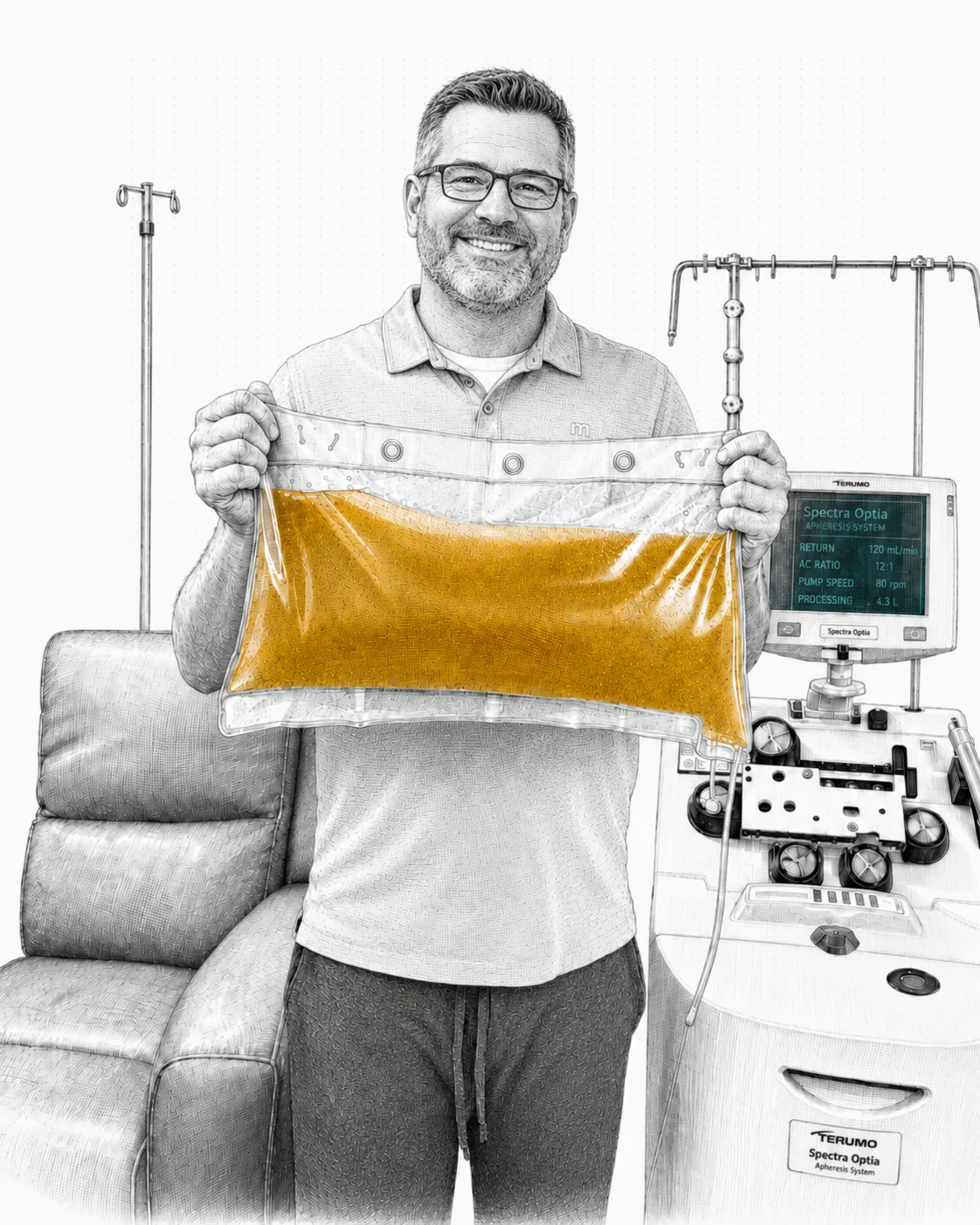
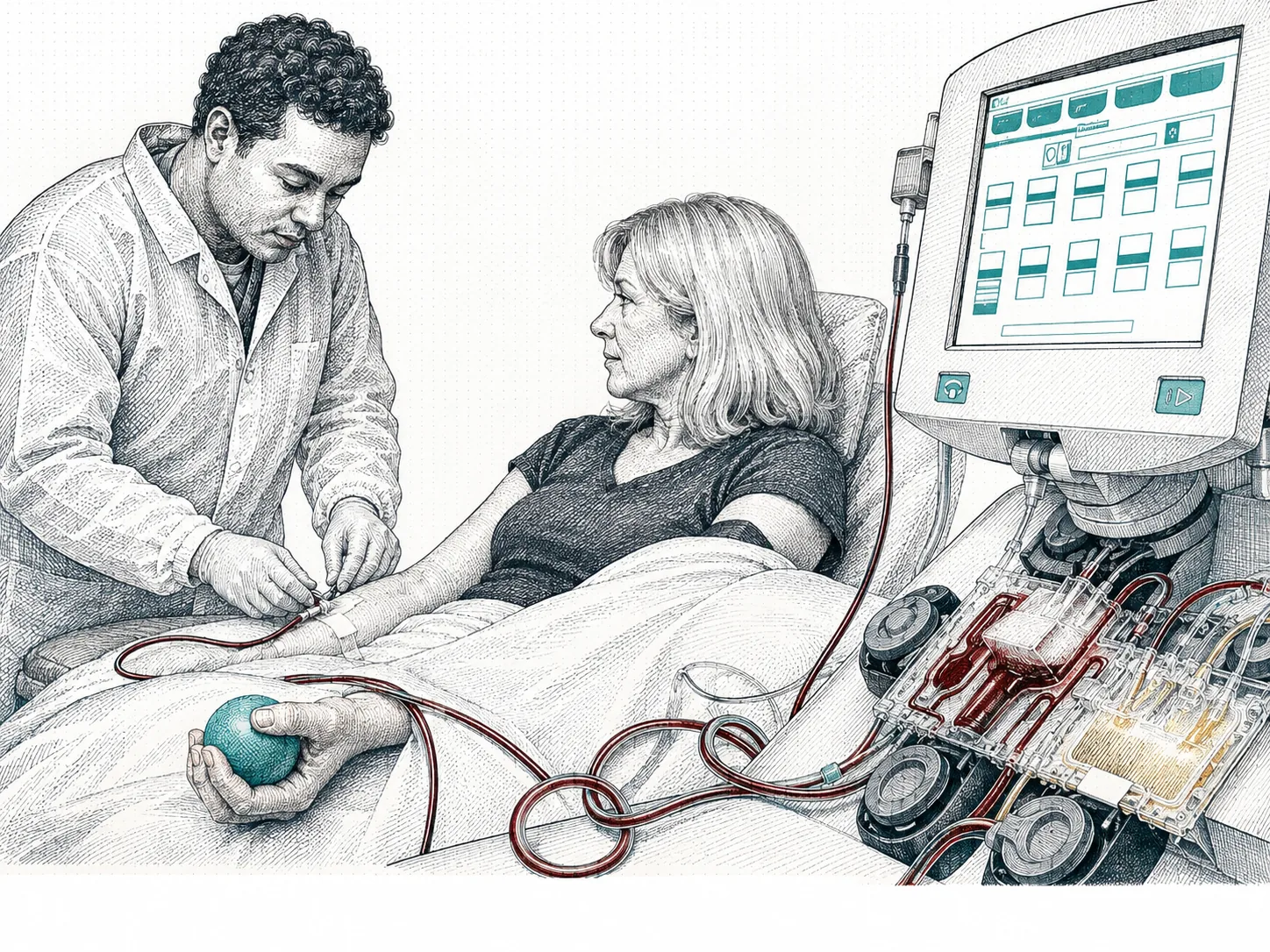
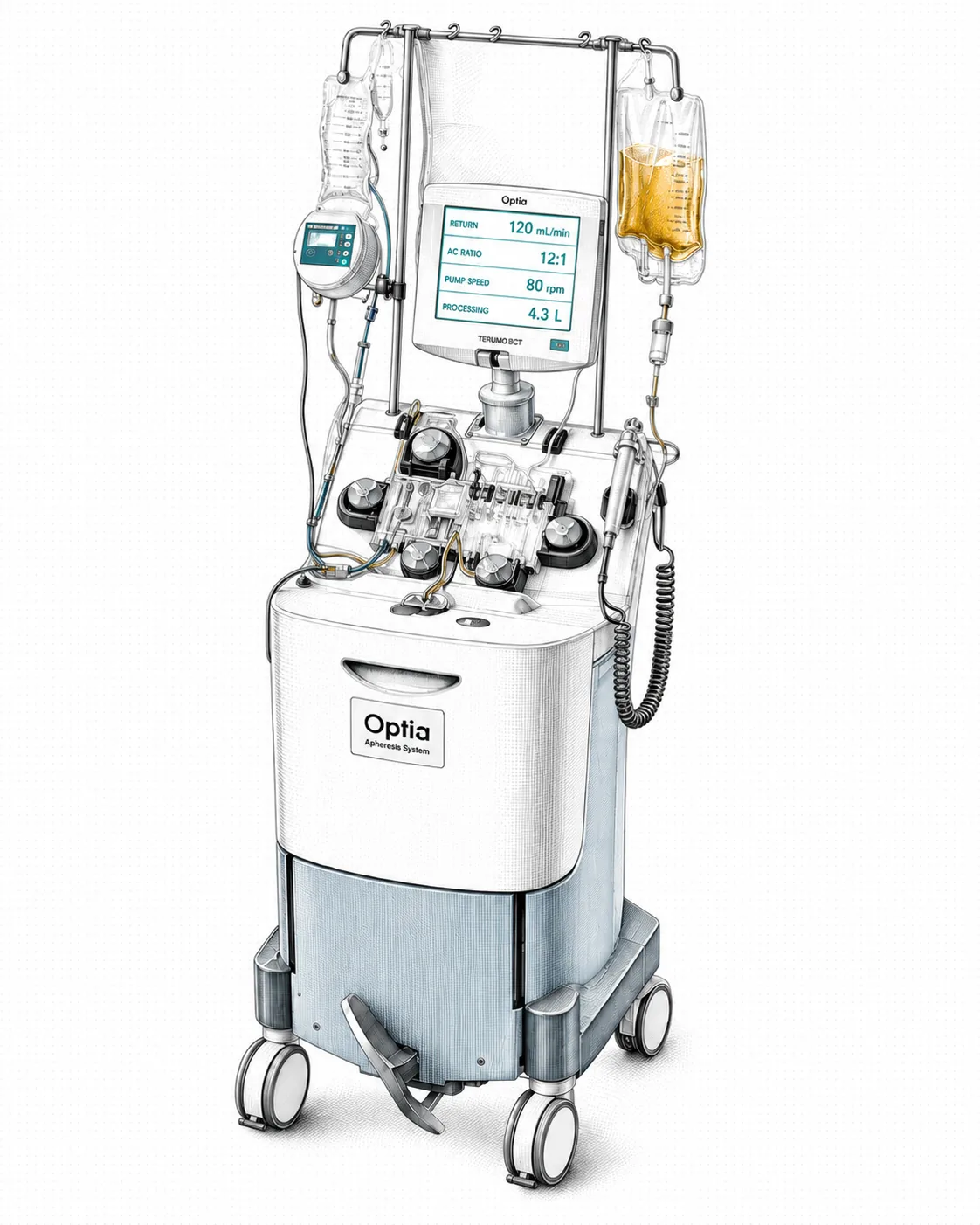
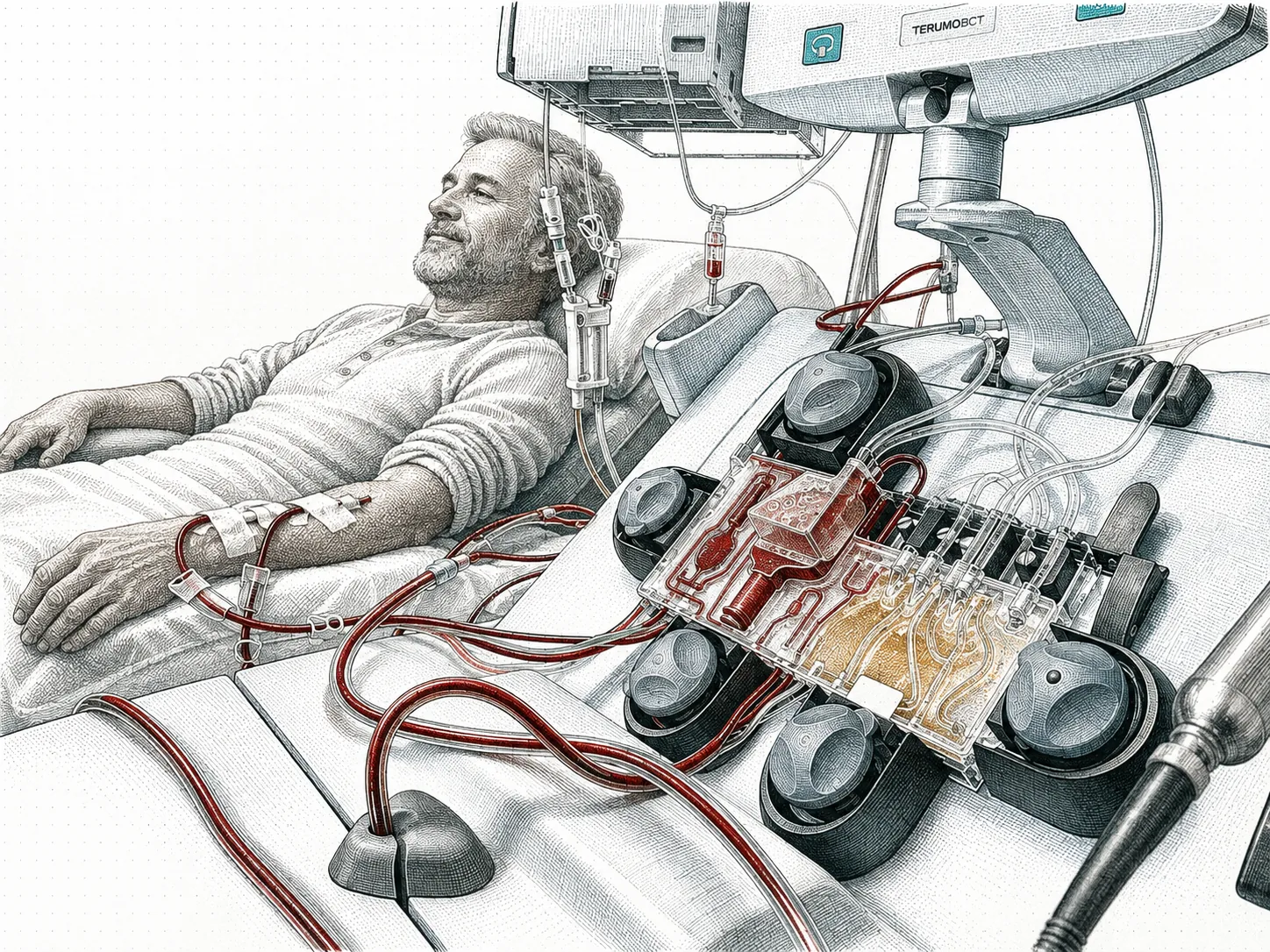
Look at the two side by side and the confusion makes sense. In both cases you’re sitting in a chair, hooked up to a machine through a couple of IV lines, watching your blood leave your body, run through some equipment, and come back in. If you didn’t know what was happening inside that machine, there’s no obvious reason to assume these are two completely different procedures treating two completely different problems.
But that’s exactly what they are. The setup looks similar because both are what’s called extracorporeal therapies, meaning blood travels outside the body to be processed before it’s returned. I’ve walked through what an actual TPE session looks like from start to finish elsewhere, and the part where you get hooked up looks a lot like what you’d see in a dialysis unit. Past that, dialysis and TPE aren’t really cousins. They’re built to solve different problems, and once you understand what each machine is actually trying to remove, the whole thing stops being confusing.
What dialysis is actually doing
Dialysis exists because of the kidneys. Your kidneys are constantly filtering your blood, pulling out small waste products, extra fluid, and excess salts your body doesn’t need, and sending all of it out through urine. It’s a job your body does automatically, all day, without you thinking about it once.
When kidneys fail, that filtering stops happening the way it should. Waste and fluid start building up in the blood, and that can turn dangerous fast. Dialysis steps in to do the part of the job the kidneys can no longer manage. The National Institute of Diabetes and Digestive and Kidney Diseases describes hemodialysis in pretty plain terms: it exists to filter wastes and water from the blood the way healthy kidneys did, and to help control blood pressure and balance minerals like potassium, sodium, and calcium. That’s the whole job. Blood comes out, runs through a filter that pulls out that small waste and extra fluid, and goes back in. It’s essentially standing in for a kidney that isn’t keeping up anymore.
That’s an enormous deal medically. Dialysis keeps people alive who would otherwise die from kidney failure, and it’s one of the more remarkable pieces of medical engineering most people never think much about. But it’s worth being specific about what it’s built for. Dialysis is tuned to clear small molecules: waste products, excess fluid, things like that. It was never designed to go after the larger stuff floating around in plasma, like antibodies and immune proteins. That’s not a flaw in dialysis. It’s just not what the machine is built to do.
What plasmapheresis is actually doing
Plasmapheresis isn’t trying to be a backup kidney at all. It’s aimed at something else entirely: the plasma itself.
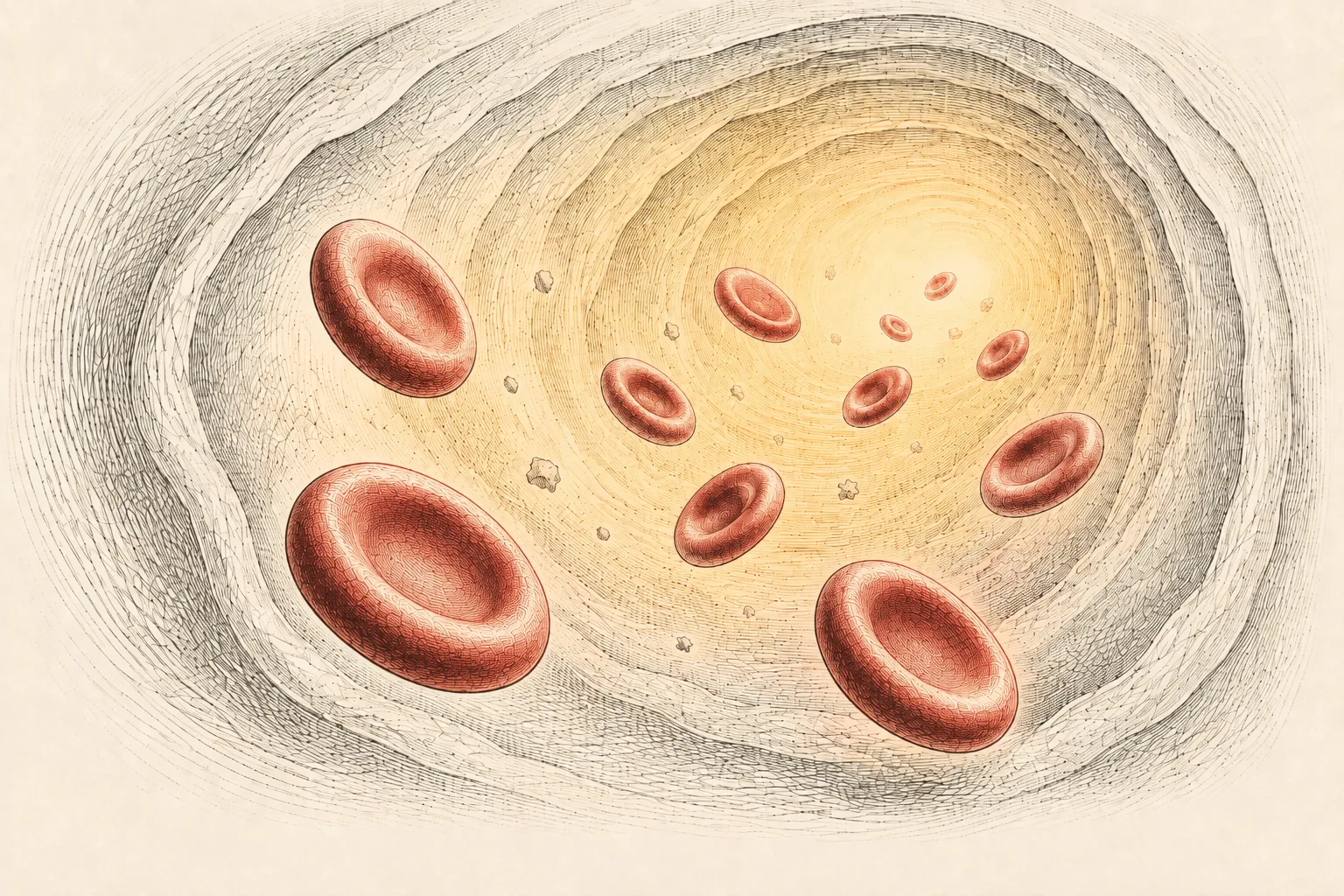
Here’s the part that clicked for me when I first started reading about this. Blood isn’t one uniform substance. It’s made up of cells (red cells, white cells, platelets) suspended in a liquid called plasma. Plasma is the part doing a lot of the less visible work: carrying proteins, antibodies, clotting factors, and inflammatory signals around your body.
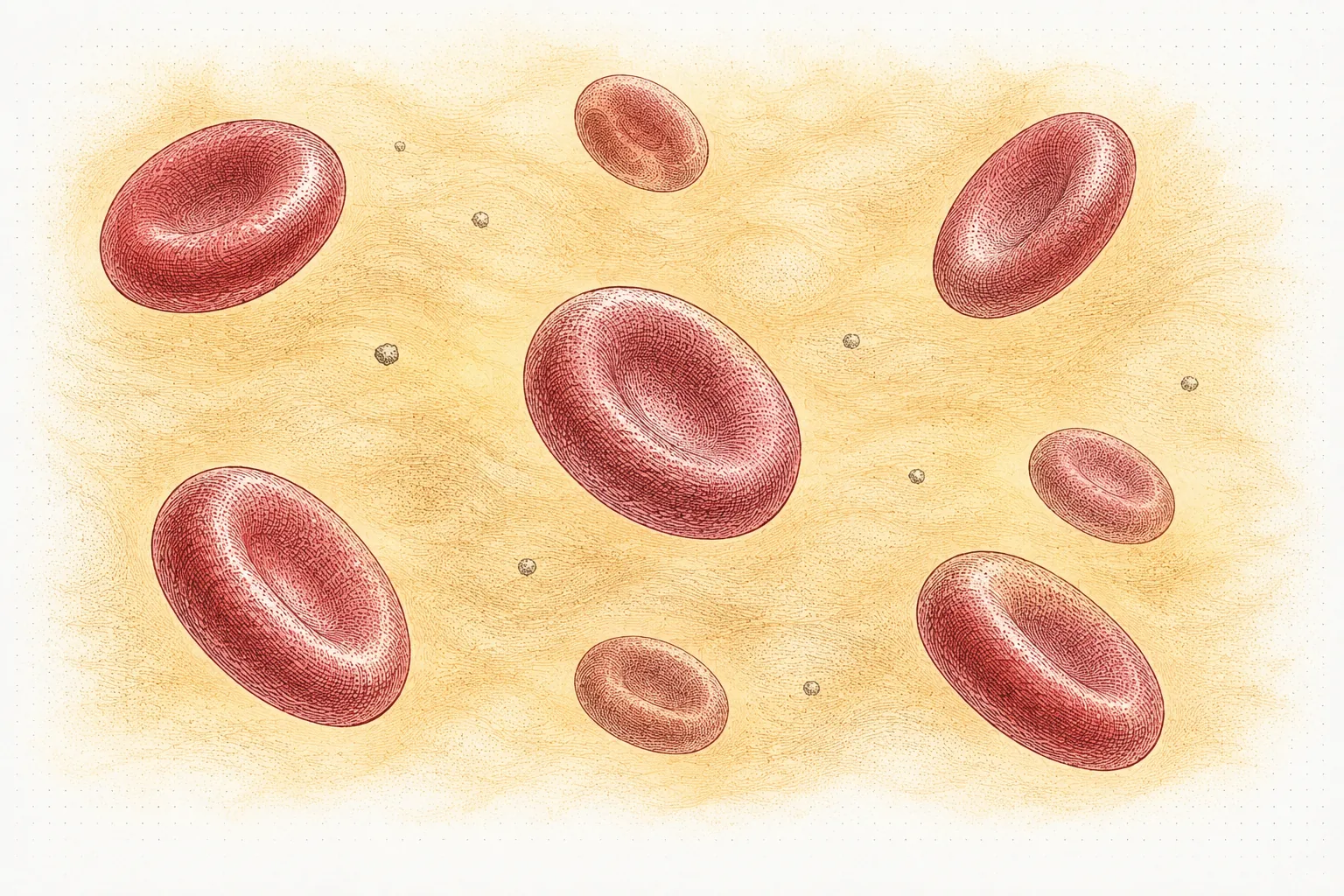
Cells suspended in plasma. Dialysis goes after the small waste dissolved in that liquid. Plasmapheresis goes after the liquid itself.
In certain diseases, the actual problem isn’t kidney waste at all. It’s something harmful circulating in that plasma. A number of autoimmune conditions, for example, involve antibodies that have essentially turned against the body’s own tissue, and those antibodies travel through the plasma. The American Society for Apheresis keeps an evidence-graded, condition-by-condition list of which diseases actually have real evidence behind using plasmapheresis, and autoimmune conditions like these make up a good chunk of that list. No amount of dialysis filtering is going to touch that antibody problem, because dialysis isn’t built to pull antibodies out of circulation. That’s where plasmapheresis comes in.
During a plasmapheresis session, the machine separates your blood cells from your plasma. The plasma gets removed and replaced with a substitute fluid, usually purified albumin or, in some cases, donor plasma, depending on what’s being treated. The American College of Rheumatology puts it about as plainly as I’ve seen anywhere: the plasma that comes out is discarded specifically because it’s carrying harmful antibodies, and it gets replaced with a substitute fluid. Your own blood cells go back in along with the replacement. So instead of filtering small waste out of the blood the way dialysis does, plasmapheresis is swapping out the entire plasma compartment, along with whatever harmful antibodies or inflammatory proteins happen to be riding along in it.
Plasmapheresis vs. dialysis: a simple way to keep them straight
I think the mental model that actually sticks is this: dialysis asks “what would a working kidney be removing right now?” TPE asks “what’s circulating in the plasma that shouldn’t be there?”
Different question, different target, different machine settings, even if the chair and the tubing look the same from across the room. Dialysis is mostly about small waste products and fluid balance. Plasmapheresis is mostly about the plasma itself, and the larger molecules that live in it.
That’s why, once you get past the surface similarity, “is this just dialysis with a different name” turns out to be the wrong question. The better question is what’s actually being removed, and why. If the issue is fluid and waste building up because the kidneys aren’t clearing it, that points toward dialysis. If the issue is antibodies, immune complexes, or other plasma-based troublemakers, that falls to plasmapheresis, not dialysis.
None of this means plasmapheresis is some kind of universal fix. It’s a specific tool for a specific kind of problem, and it isn’t appropriate for everyone or every condition. It also comes with its own set of risks, separate from anything dialysis carries, and I’ve gone through those in more detail in what the actual risks of TPE look like. But it’s not dialysis wearing a different label, either. It’s a separate procedure built around a separate idea: sometimes what’s making someone sick isn’t waste the kidneys failed to clear. Sometimes it’s something the plasma itself is carrying around that shouldn’t be there. Once that distinction clicks, the rest of how plasmapheresis works starts making a lot more sense.
Next in the guide
A short history of a procedure that is not new
Related
Plasmapheresis vs. Plasma Donation: What's the Difference?
Why the two get confused, and why it matters
What Is Plasmapheresis? A Plain-English Guide to TPE
A plain-English explanation of what happens during plasmapheresis
The information provided on this site is for general informational purposes only and is not intended as a substitute for professional medical advice, diagnosis, or treatment. Always seek the advice of your physician or other qualified health provider with any questions you may have regarding a medical condition. Do not disregard professional medical advice or delay seeking it because of information you find on this site. The content is not a substitute for an individualized assessment by a healthcare provider.