About This Site
Who writes this, and why
I’m not a doctor. I want that established before anything else here.
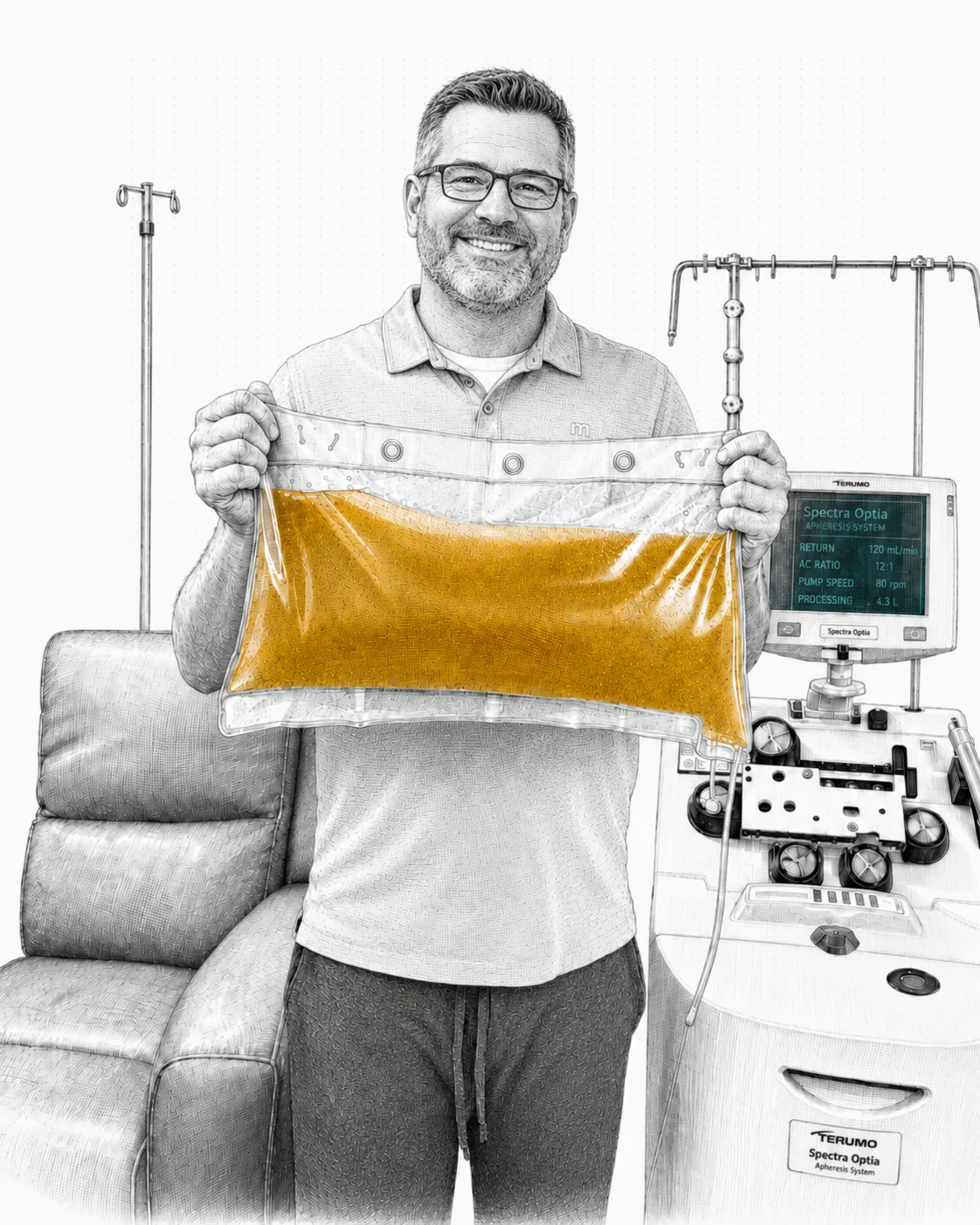
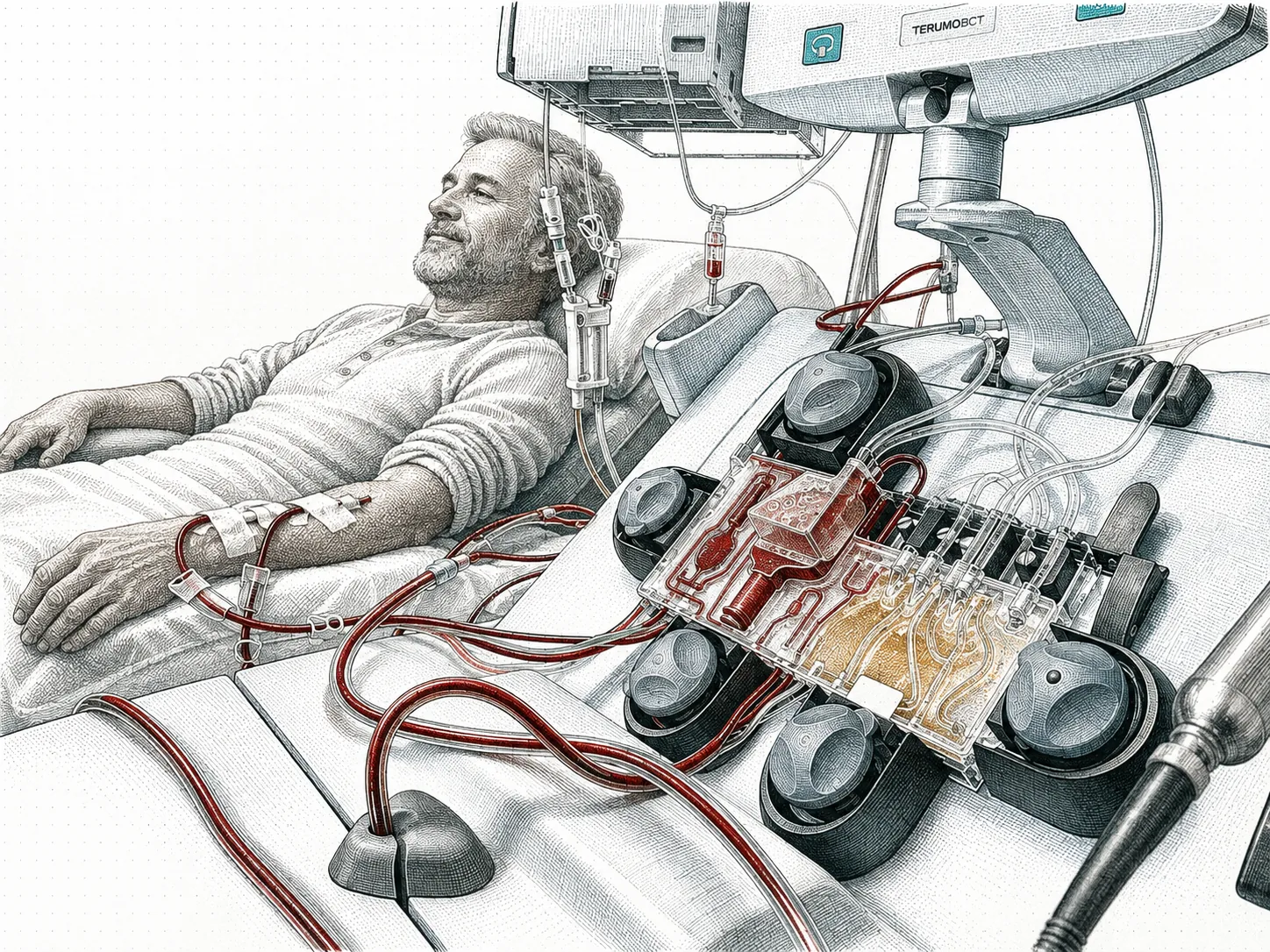
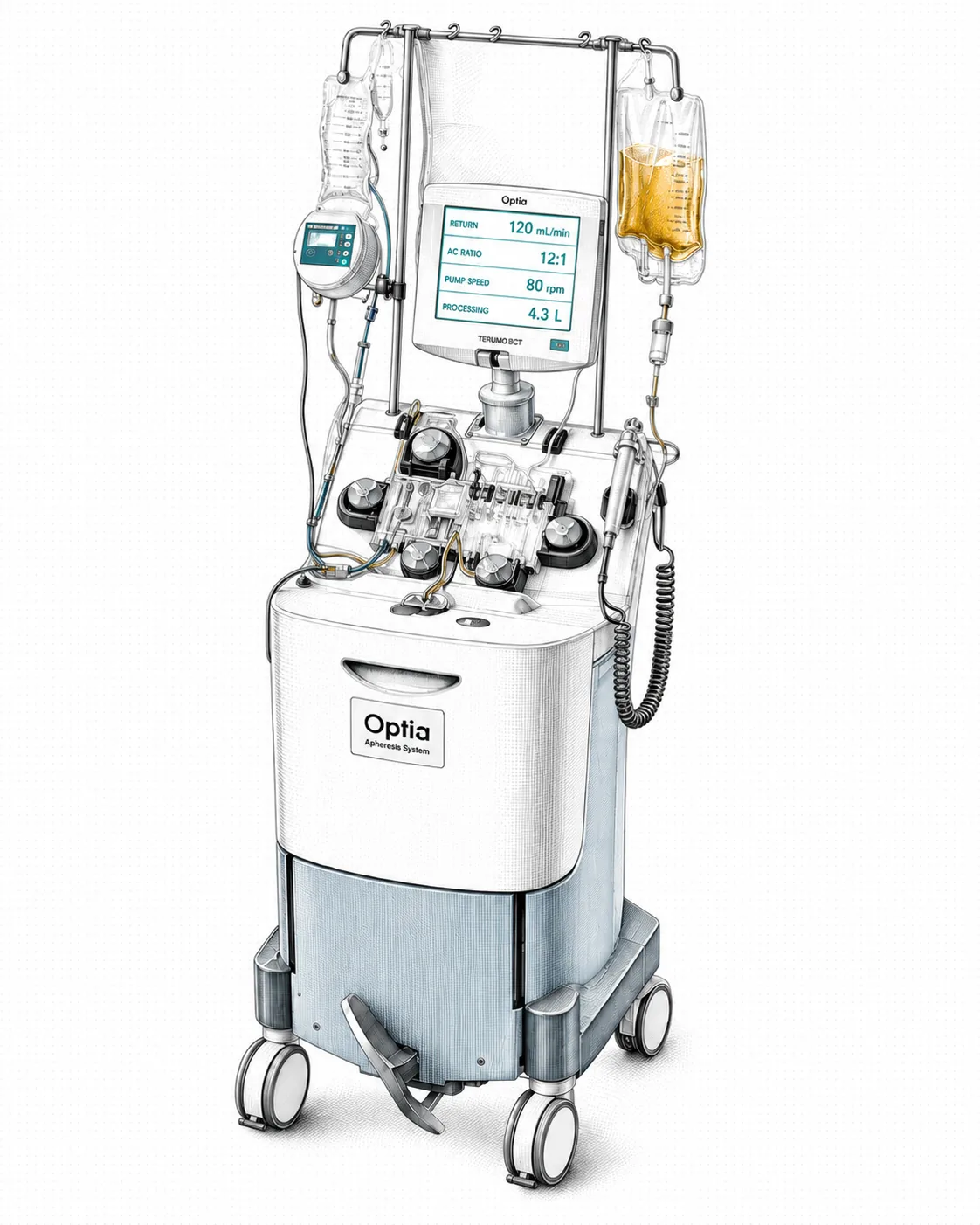
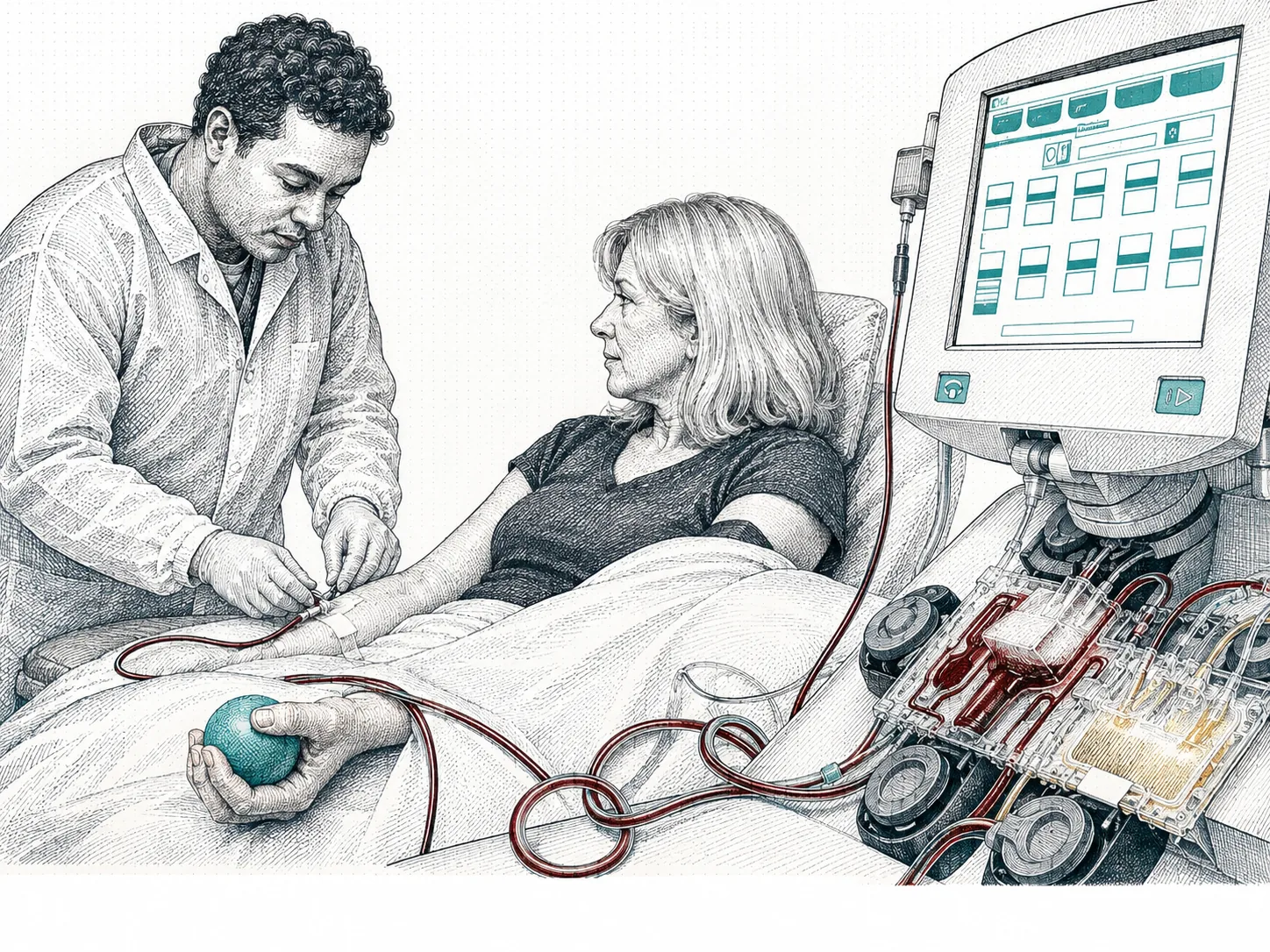
What I am is someone who has spent a career working across tech and medicine, and a good stretch of that time around plasmapheresis specifically. I know how the equipment works. I know what a session actually looks like from inside the room instead of from a brochure. Along the way I’ve talked with the physicians who order the procedure, the nurses who run it week after week, and the patients sitting in the chair with a line in each arm. The patient conversations are the ones that stuck with me. They’re also the reason this site exists.
So the perspective here is an informed outsider’s. Not a clinician, not a researcher. Someone who got curious, kept reading, kept asking questions, and eventually had enough of a picture to want to hand it to other people in plain English.
Why I bothered
Try learning about therapeutic plasma exchange on your own sometime and see how far you get.
Search “TPE” on Reddit and you’ll turn up a handful of scattered posts, most of them two or three years old. Search Google or Bing and you’ll wade through plasma donation centers before you find anything clinical. Check Facebook or Instagram and you’ll get a mix of breathless hype and flat-out misinformation. People confuse it with dialysis. Other people dismiss it entirely because they’ve never understood what it actually does. And then there are the clinics and celebrities holding it out as the cure for anything and everything, which does real damage to how the procedure gets taken seriously.
The hospital pages have the opposite problem. Cleveland Clinic, Mayo, the big academic centers: their information is accurate, and I’d trust it over almost anything else you’ll find online. But it’s written the way medicine gets written. Indications, contraindications, adverse event rates, replacement fluid volumes. If you’re a patient who was just told you might need five treatments, or a healthy person trying to work out whether any of the longevity claims hold up, that writing doesn’t meet you where you are.
There’s almost no calm, accurate, middle-ground information out there. That’s the gap I’m trying to fill.
What I think, and how confident I am about it
Plasma exchange has a long and serious medical history. It’s been used for decades to treat autoimmune diseases, neurological conditions, and other illnesses where something circulating in the blood is doing the damage. That part isn’t up for debate. It’s established care with guidelines and evidence behind it, and it has kept people alive.
The newer part is where things get genuinely interesting and genuinely murky at the same time. Researchers have started asking what happens when you remove and replace plasma in people who aren’t acutely ill. Does it lower inflammation in a lasting way? Does it clear out material that accumulates with age and causes problems downstream? Does it change the signaling environment in the blood enough to matter over years rather than days?
I find that idea hard to ignore. I also think the honest answer today is that we don’t know how much it matters. The human research is early. Some of it is promising. Some of it probably won’t pan out, and that’s normal for a field at this stage rather than a mark against it.
My intention is to track that research carefully instead of getting swept up in either the hype or the reflexive negativity. Both of those are easier than reading the actual studies.
What you’ll find here
Explanations of what the procedure is and what happens during it, start to finish. What it’s used for in standard medical practice and how well it works for each of those conditions. What albumin is and why the choice of replacement fluid matters more than most people expect. What the risks and side effects look like in real numbers. What a course of treatment involves in terms of time, access, and cost.
And coverage of the longevity research as it develops, including the parts that are weak. When a study is small or poorly controlled, I’ll say so. When a result surprises me, I’ll say that too.
One boundary worth being clear about: nothing on this site is medical advice, and I’m not in a position to give any. I can explain what a study found and what the researchers thought it meant. I can’t tell you whether this procedure makes sense for your body or your condition. That’s a conversation for you and a physician who knows your history.
What I can do is get you to that conversation with a sharper question than you would have asked otherwise. Most of the information floating around out there does the opposite.