Plasmapheresis vs. Plasma Donation: What's the Difference?
Why the two get confused, and why it matters

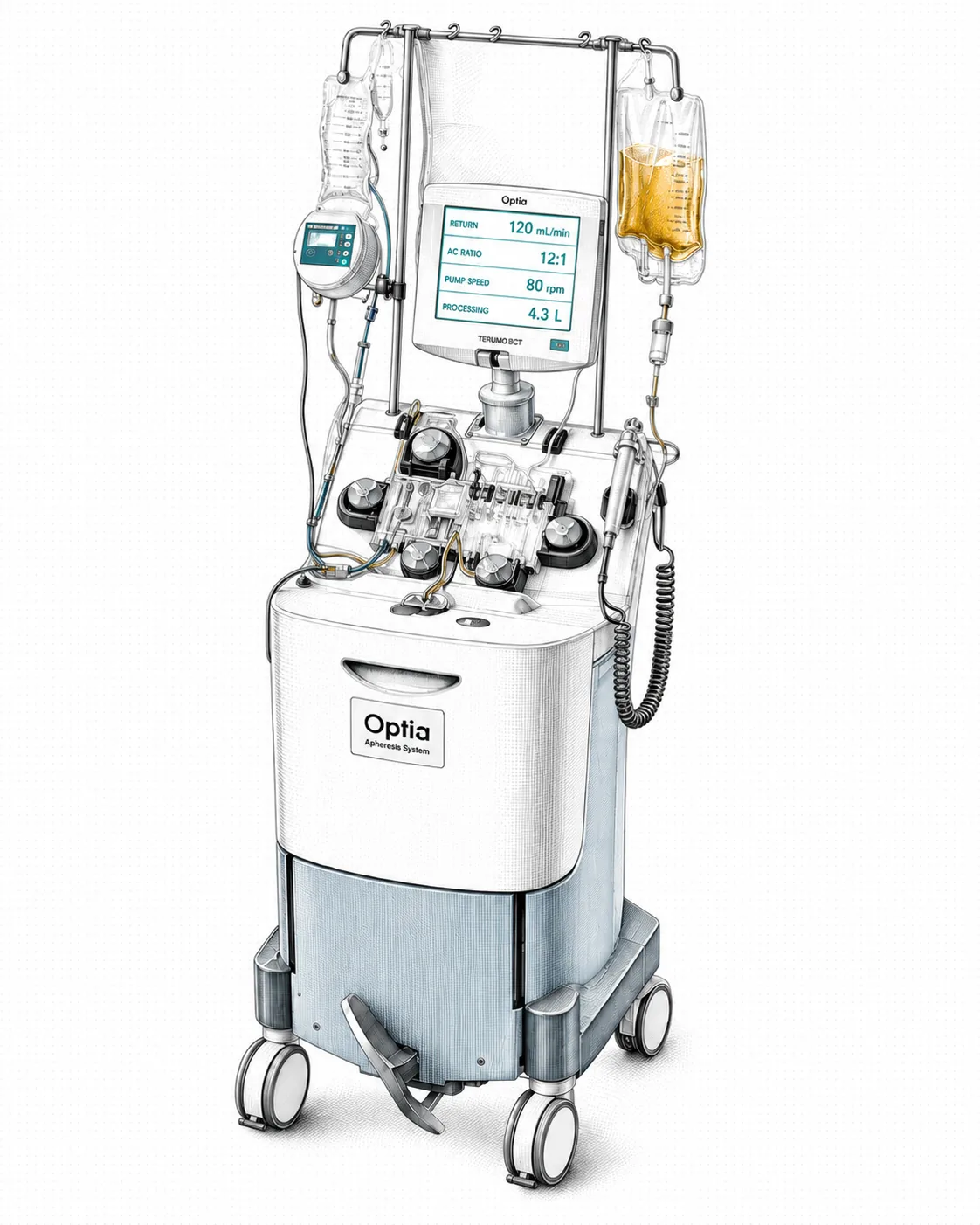
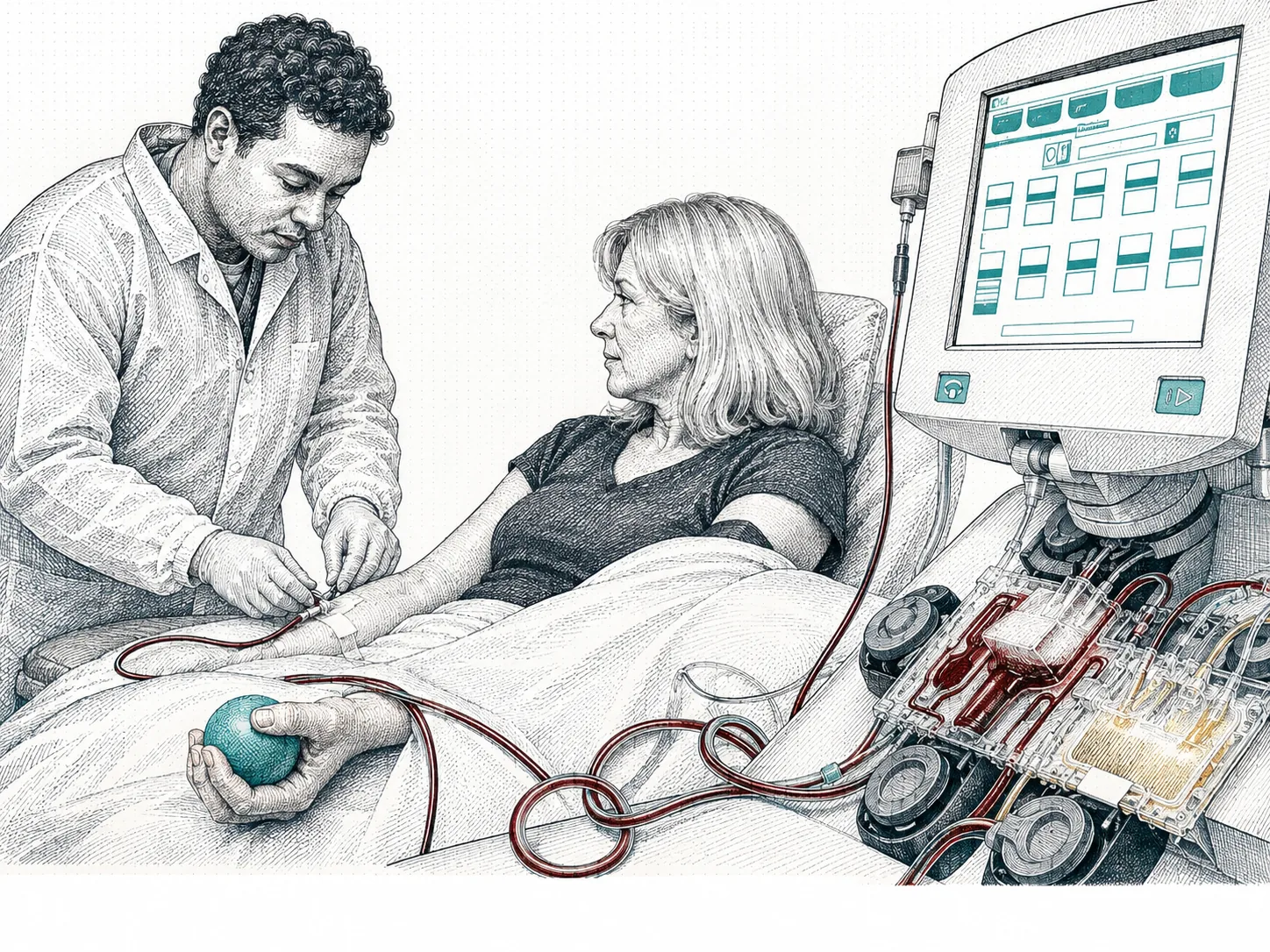
When I first started reading about plasmapheresis, which you’ll also see called therapeutic plasma exchange or TPE on a treatment plan, I kept running into the same assumption from people who were new to the subject. They’d hear someone talk about it for a medical condition and say something like, “Oh, so it’s basically donating plasma, but more intense?” I get why people land there. On paper the two procedures sound alike. Blood comes out of your arm, a machine spins off the plasma, and the rest goes back in. If you’ve ever donated plasma at a center for extra cash, hearing someone describe plasmapheresis can sound like a beefed up version of the same appointment.
It isn’t. Once I looked into what actually happens in each procedure, I realized they share a piece of equipment and not much else. The purpose, the amount of plasma involved, what replaces it, and who is overseeing the whole thing are different enough that calling plasmapheresis “prescription strength plasma donation” is more misleading than helpful.
Part of the confusion probably starts with the name too. Plasmapheresis is also called therapeutic plasma exchange, or TPE for short in clinical settings, and “plasmapheresis” sounds close enough to “plasma” that it’s an easy word to mix up with donating plasma at a center. Same root word, pretty much nothing else in common.
It’s a similar mix-up to the one I run into when people assume plasmapheresis is basically dialysis with extra steps. Different machines, different comparison, same lesson. Sharing an overlap with a more familiar procedure doesn’t mean the two are doing the same job.
What actually happens when you donate plasma
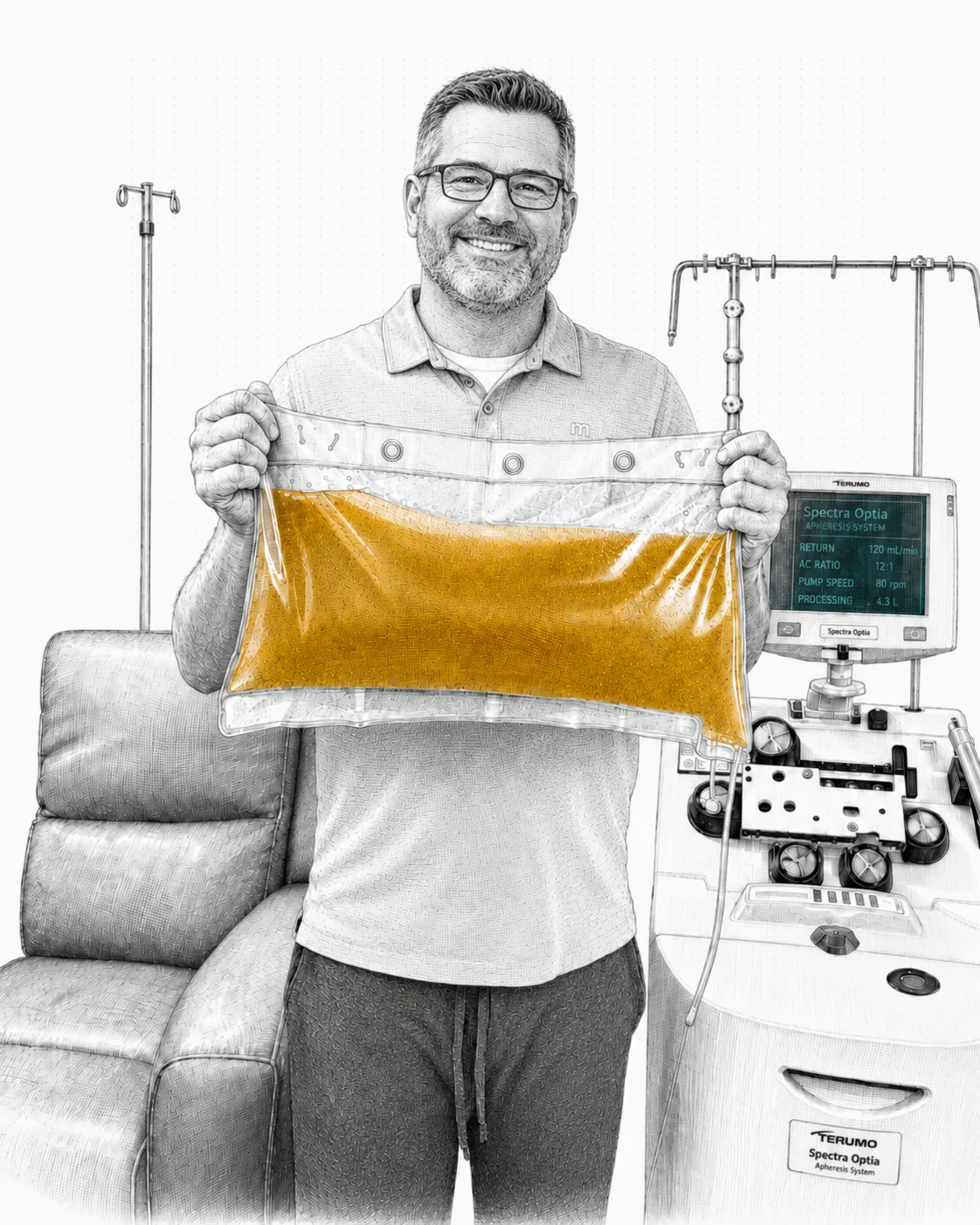
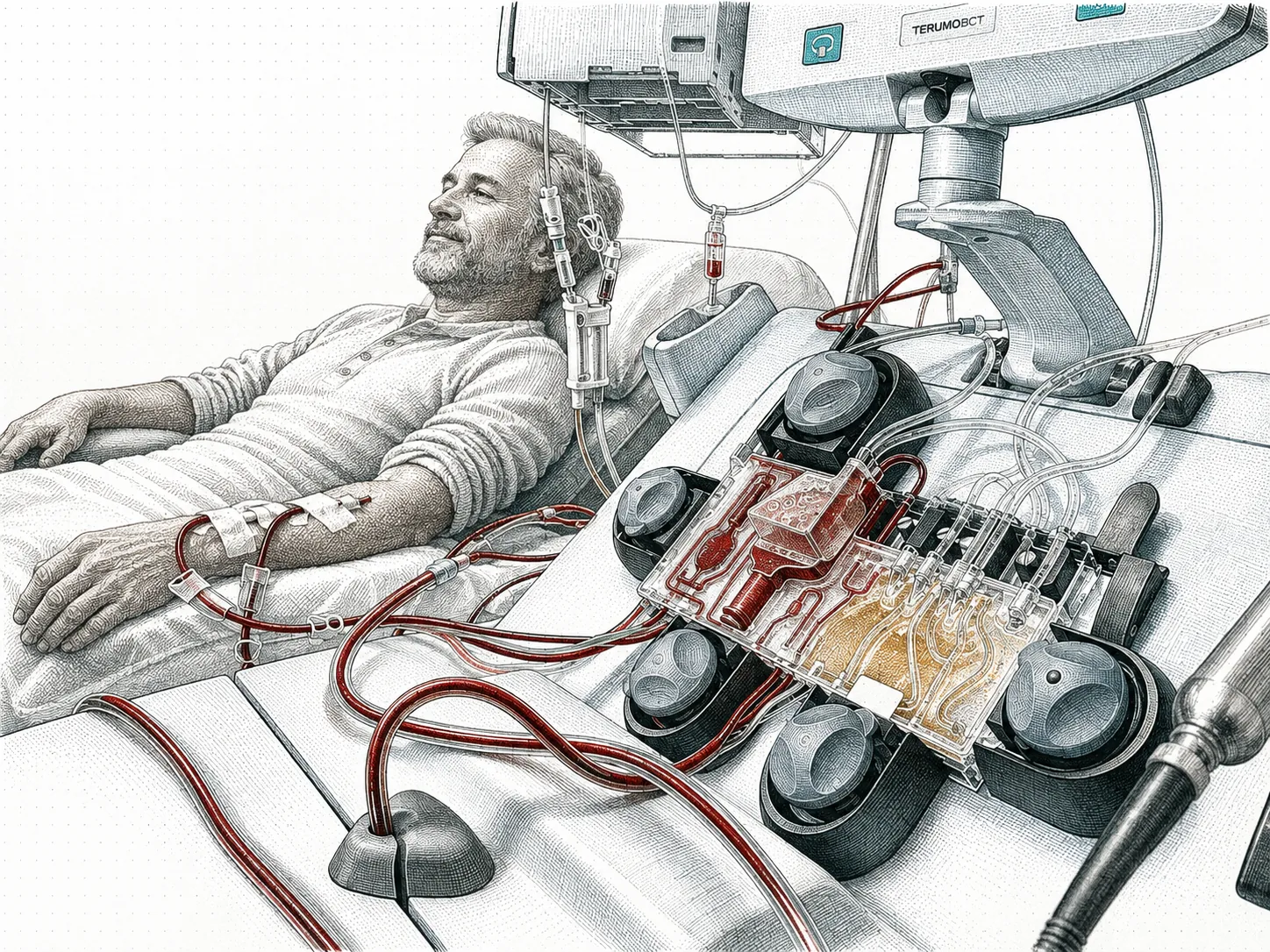
Plasma donation is a collection procedure. You sit down, a machine draws your blood, separates out the plasma, and sends your red blood cells back into your body. The plasma you donated gets processed elsewhere and turned into blood products for other people, things like treatments for immune deficiencies, clotting disorders, and burns.
The volume collected is fairly modest, usually a few hundred milliliters depending on your weight and the donation center’s rules. Those limits aren’t arbitrary. The FDA spells out exactly how much plasma a center can take based on donor weight in the federal regulations governing plasma collected by apheresis, with the goal of keeping the loss small relative to your total blood volume. Your body handles that well because you’re only losing plasma, not red cells.
The point of the whole procedure is to get plasma out of you and into a supply chain for someone else. You walk in healthy, you clear a basic donor screening, and you walk out having helped a patient you’ll never meet.
What actually happens during plasmapheresis (TPE)
Plasmapheresis uses the same basic concept of machine, separating plasma from the rest of your blood. That’s about where the similarity ends.
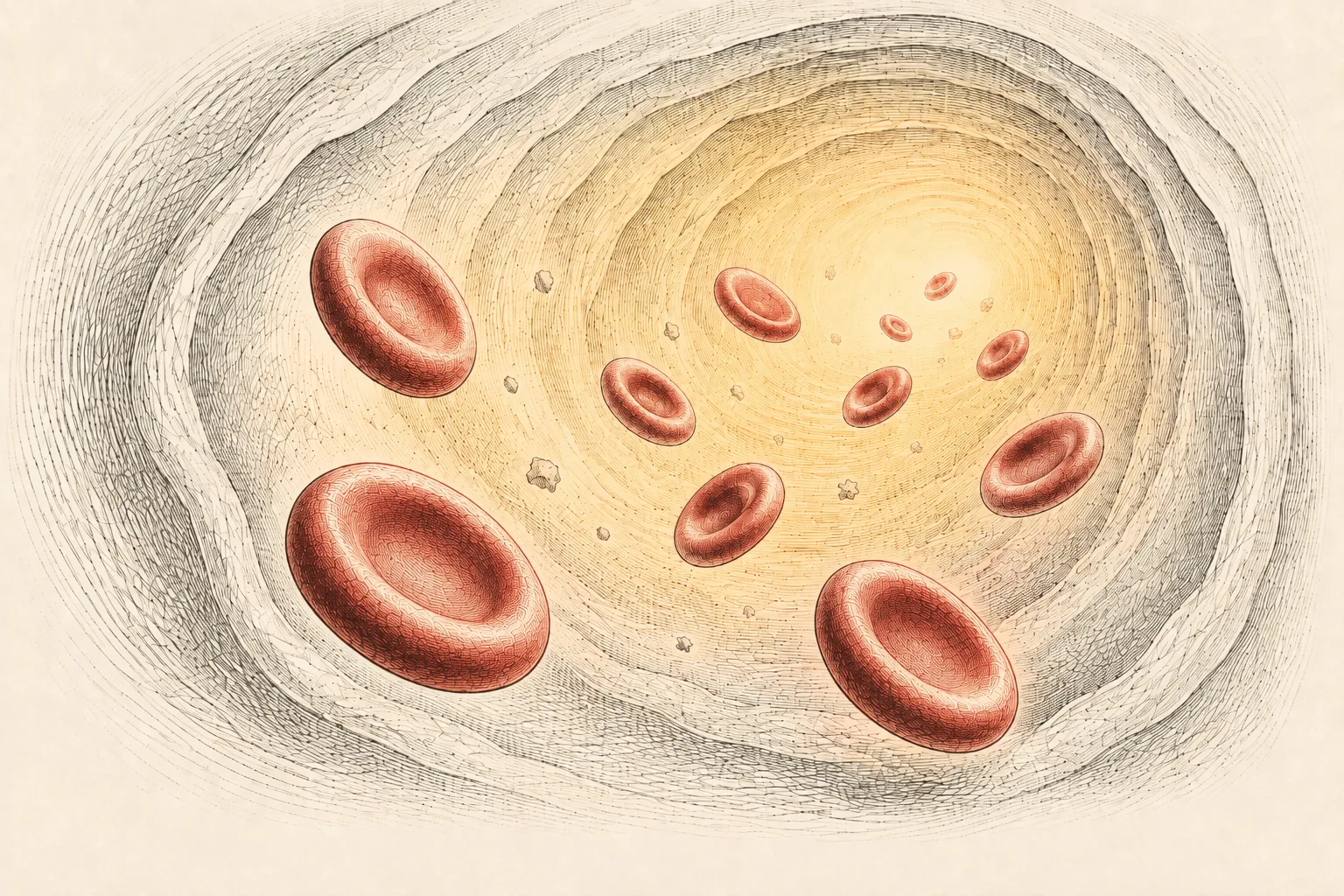
Nobody is collecting your plasma in plasmapheresis to hand off to another patient. Your own plasma is being removed because a doctor believes it’s carrying something contributing to a disease you already have. Depending on the condition, that might mean antibodies attacking your own nerves or tissue, inflammatory proteins, immune complexes, or other circulating substances. The plasma coming out isn’t really the point. Getting rid of what’s dissolved in it is.
Then there’s what goes back in, which is the part I think gets skipped over the most. In plasmapheresis, the plasma you lose gets replaced with something else, usually albumin, sometimes fresh frozen plasma, sometimes a combination, depending on the condition being treated. Albumin is one of the main proteins in blood plasma. It carries hormones, fatty acids, and other molecules through your bloodstream and plays a big role in keeping fluid balanced in your body, so swapping it in isn’t a minor detail. Deciding what to replace your plasma with is part of the treatment itself, not an afterthought tacked onto the end.
And the volume is a different category. A typical plasmapheresis session exchanges roughly one full plasma volume. For an average adult, that often works out to somewhere around 2.5 to 4 liters of plasma processed and replaced in a single sitting. That isn’t a bigger version of a plasma donation appointment. It’s an entire order of magnitude more plasma moving through the machine, swapped out for a fluid chosen specifically for that patient.
Why “stronger plasma donation” misses the point
I think the mental model people default to here, treatment as concentrated donation, comes from focusing on the machine and ignoring everything around it. The equipment overlaps. Almost nothing else does.
Plasma donation runs on a donation center’s screening protocol, the kind of donor eligibility and facility rules that AABB, the group that accredits blood banks and donor centers, sets and inspects centers against. You show up, you clear basic eligibility, and the procedure follows a standard process built for healthy volunteers. Plasmapheresis runs on a physician’s treatment plan built around a specific diagnosis, a person’s lab work, and how their body responds along the way. The clinical guidelines doctors actually use to make those calls, published by the American Society for Apheresis, run to hundreds of pages of disease-by-disease recommendations on when TPE is appropriate and how aggressively to use it. A donation center has no equivalent of that, and it was never supposed to. Someone is deciding how much plasma to remove, what to replace it with, how often the treatment repeats, and watching for complications for the entire session. It’s a different job.
None of this means plasmapheresis is something to be nervous about. It’s an established medical procedure used for a range of conditions, and it’s been done safely for a long time, which is something I get into in TPE Has Been a Hospital Procedure for Decades. But it is a real medical treatment with real physiological effects, appropriate screening, vascular access planning, and trained staff watching you the whole way through, the kind of thing I walk through step by step in what an actual TPE session looks like. Treating it like an amped up donation appointment undersells what’s happening in your body, and honestly, it undersells why a doctor needed to be involved in the first place.
So if you hear someone describe what they’re going through as “kind of like donating plasma, but for a medical reason,” they’re probably talking about plasmapheresis, and they’re describing it smaller than it actually is. The overlap starts and ends with the machine. Everything that actually matters happens after that.
Next in the guide
Similar chair, different job
Related
What Is Plasmapheresis? A Plain-English Guide to TPE
A plain-English explanation of what happens during plasmapheresis
The information provided on this site is for general informational purposes only and is not intended as a substitute for professional medical advice, diagnosis, or treatment. Always seek the advice of your physician or other qualified health provider with any questions you may have regarding a medical condition. Do not disregard professional medical advice or delay seeking it because of information you find on this site. The content is not a substitute for an individualized assessment by a healthcare provider.